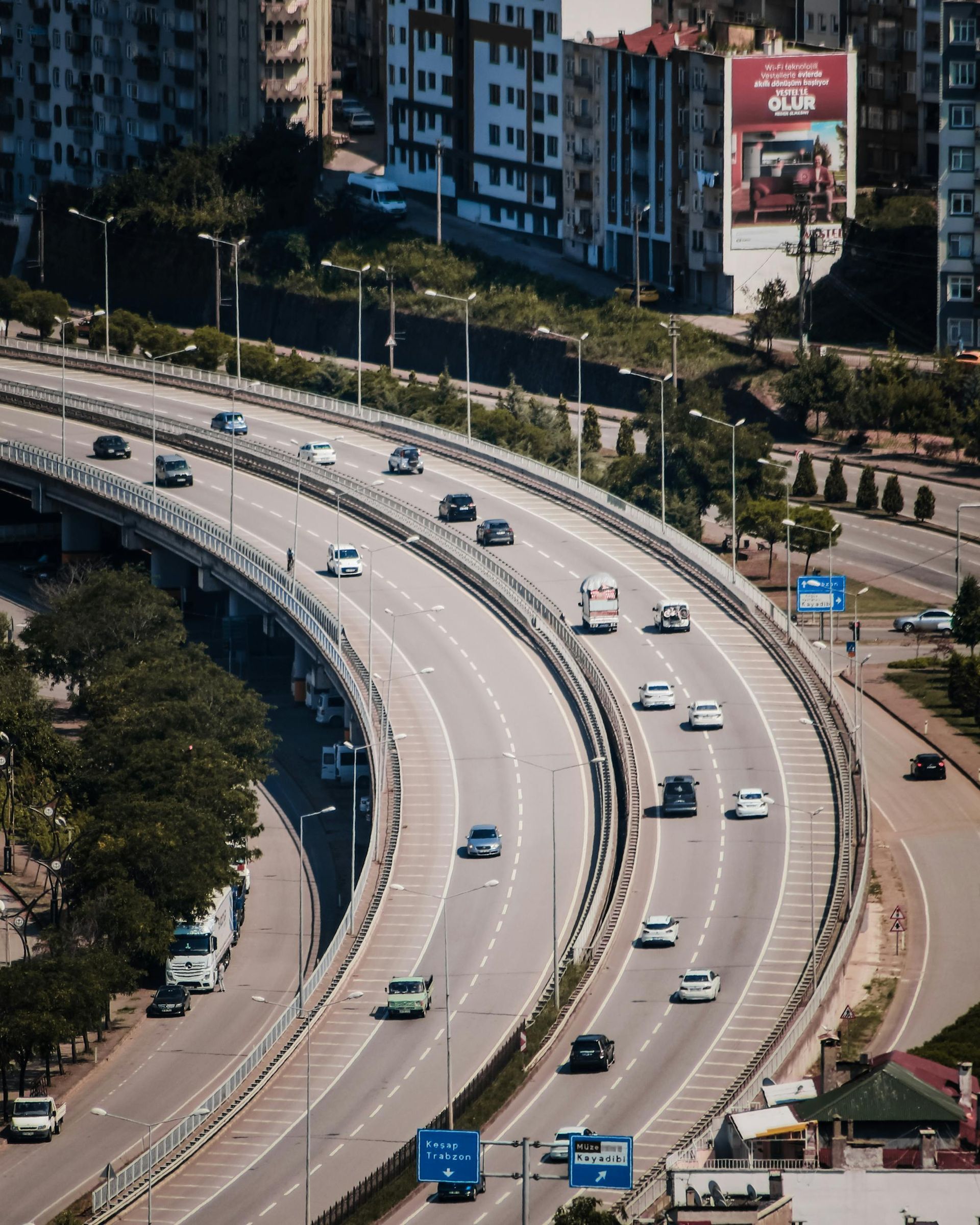

Which Highway Lane is the Safest to Drive In?
Which Highway Lane is the Safest to Drive In?
All drivers have certain highway-driving habits, whether we’re aware of them or not–some good, some bad. One habit is the lane we habitually choose to drive in. If you’re thinking about improving your safety habits, you might want to consider the lane you tend to migrate to most often.
Driving in the Left Lane
The National Highway Traffic Safety Administration’s (NHTSA)
Crashworthiness Data System has found that the left lane of the highway has the fewest number of crashes. However, these numbers don’t consider the severity of the crashes that do occur. A survey published in Dan Kozikowski’s Data Diversions blog found that while the left lane has the fewest crashes, those that do occur result in more severe injuries and death than other lanes due to the speeds associated with the far-left lane.
Driving in the Right Lane
The right lane is often considered the safest because it‘s the favorite of the slowest drivers. But its adjacency to on- and off-ramps and merging traffic presents its own dangers.
The right lane has the most variable speed rates as cars entering from the on-ramp speed up to move into one of the other lanes—their drivers are focused on the lane they’re merging into and not what’s directly in front of them. According to the National Highway Traffic Safety Administration, about 9 percent of the approximately 300,000 motor vehicle accidents each year involve vehicles merging onto the freeway. Sadly, around 50,000 of those result in fatalities.
The National Center for Biotechnology Information (NCBI) says that the combination of semi-trucks that obstruct drivers’ views, two-lane ramps, and excessive speed at freeway-merging locations leads to a higher likelihood of accidents involving severe injuries. Another factor is chronic driver distraction, as drivers merge into traffic while focused on something else. The NCBI adds that increasing vehicle automation can compound drivers’ tendency not to pay attention to the road: Removing driving demands allows drivers to engage in distracting activities.
What About the Middle Lane?
Based on anecdotal information, some safety experts and state transportation departments have independently concluded that the middle lane is the safest. Even though driving in the middle may lead to a sensation of being hemmed in, it provides more room and more possibilities for maneuvering around obstacles or accidents in front of your car and on either side of it.
None of the Above
Other driving-safety experts say the correct lane is the one where the other drivers’ speed is closest to your speed.
Conclusion
Whether cruising on an interstate highway late at night or stopping and starting at rush hour, driving is an inherently dangerous activity that demands full attention, whichever lane your car is in.
Manfred Sternberg & Associates is a full-service law firm in Houston, Texas. Our personal injury lawyers have years of successful client representation in a broad range of personal injury cases. Contact us here or call 713-547-5460.